- Home
- Mercedes-Benz
- ML350
- 2011

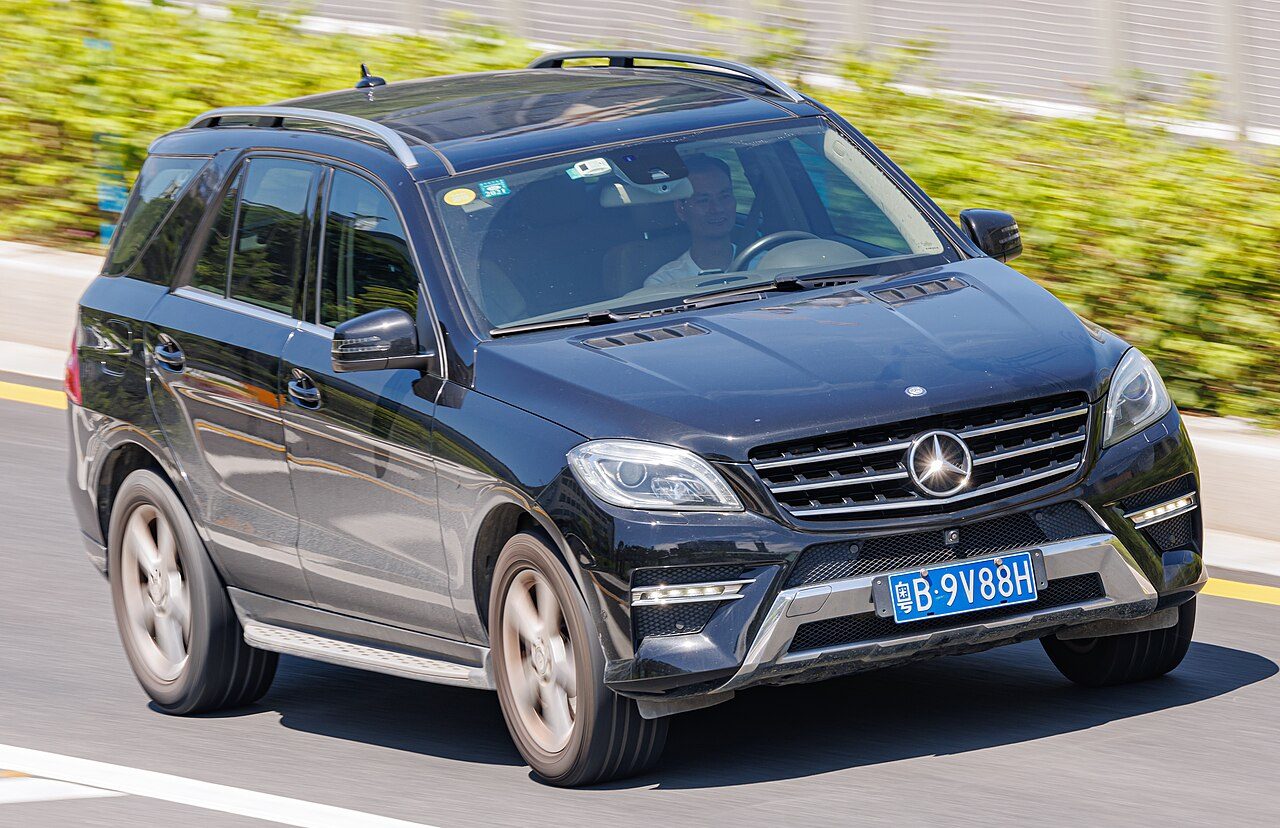
2011 Mercedes-Benz ML350
The 2011 Mercedes-Benz ML350 has a 3.5 L engine. It gets 17 MPG combined (16 city, 21 highway), per the EPA. 2 recall campaigns are on record.
Specs
| Cylinders | 6 |
|---|---|
| Transmission | Automatic · 7 speeds |
| Drivetrain | Rear-wheel (RWD) |
| Body style | Sport Utility Vehicle - 2WD |
For sale in United States
Fuel economy (MPG)
🇺🇸 Local dataBy version
| Engine | Transmission | Drivetrain | City | Highway | Combined |
|---|---|---|---|---|---|
| 3.5 L 6-cylinder | Automatic · 7 speeds | Rear-wheel (RWD) | 16 MPG | 21 MPG | 17 MPG |
| 3.5 L 6-cylinder | Automatic · 7 speeds | Rear-wheel (RWD) | 15 MPG | 20 MPG | 17 MPG |
EPA figures for each version sold in the U.S.
Recalls
It may not apply to vehicles sold in your country. Check with your VIN at the source.
Consequence · Remedy
Due to inappropriate design tolerances and significant manufacturing errors in the rear vehicle frame, there are cases where water tightness around the rear gate is insufficient. As a result, rainwater may gradually enter the cargo area due to the deformation of the vehicle frame during driving. Repeated water intrusion may eventually cause flooding in the spare tire storage area and moisture may enter the fuel pump control unit, which could lead to engine shutdown while driving along with the warning light being illuminated.
Inspect all vehicles' spare tire storage areas and install drain plugs. If flooding has already occurred, replace the fuel pump control unit with a new one.
Consequence · Remedy
The rubber sleeve attached to the brake booster is recognized as having an inappropriate design, allowing moisture to enter the gap between the housing of the brake booster and not being expelled for a long time, which can lead to corrosion. As corrosion progresses, holes may develop in the housing, resulting in decreased functionality of the device, increased brake pedal force, or extended braking distance. In severe cases, the brake booster may break, potentially leading to a complete loss of braking ability.
Remove the rubber sleeve from all vehicles. Inspect the corrosion state of the brake booster housing, and if corrosion exceeds standards, conduct a functionality inspection of the device. If a vacuum leak is found resulting in decreased functionality, replace the brake booster with a remedial part. If no functionality decrease is observed, once parts are ready, conduct a re-inspection and replace the brake booster with a remedial part according to the corrosion state. Users are requested not to drive until the remedial measures are implemented if they feel any discomfort with the brakes.
Translated automatically from the RDW's Dutch text. The original is at the source.
It may not apply to vehicles sold in your country. Check with your VIN at the source.
Consequence · Remedy
The brake booster can rust through at the weld seam. This may cause the connection to the brake pedal to loosen. Brake assistance may fail and it is possible that braking will no longer be possible.
The vehicle owner is requested not to drive the vehicle until it has been repaired and to contact the brand dealer to make an appointment. The brake booster will then be checked and replaced if necessary.
Questions
- What engine does the 2011 Mercedes-Benz ML350 have?
- The 2011 Mercedes-Benz ML350 has a 3.5 L engine.
- What is the fuel economy of the 2011 Mercedes-Benz ML350?
- It gets 17 MPG combined (16 city, 21 highway), per the EPA.
- Does the 2011 Mercedes-Benz ML350 have recalls?
- 2 recall campaigns are on record. The latest concerns Structure (2023-02-09).
Other years
Other models by Mercedes-Benz
Do you own a 2011 ML350?
Post it for free and reach buyers who are already looking at this exact car.
- Free, with no commission
- About three minutes
- Your listing shows up on this page